
We learned from our first blog post that visual novel is the top-performing genre on Itch. But while the VN genre prescribes how the game is played and presented, the stories told can deal with a variety of themes. In this blog post we will look at those themes.
As of publishing this, it's April 2026, meaning the first quarter of the year has passed. So looking at Itch games from 2025 might start to feel a bit passé. But before moving on, let's do a last dive into the dataset and see: Which visual novel themes were popular on Itch in 2025?
Looking at the tags
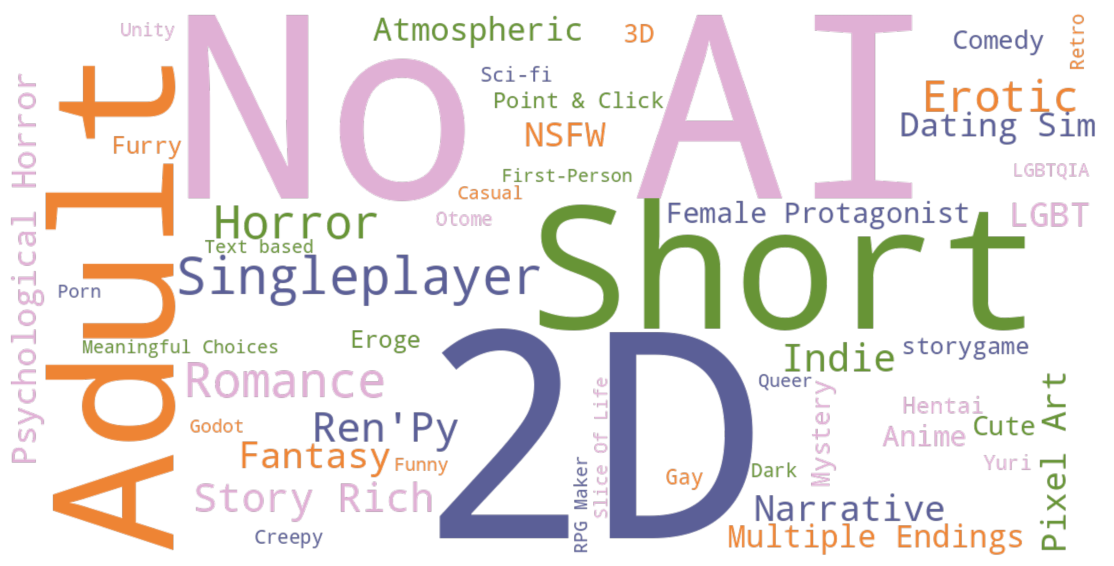
In our Itch 2025 dataset, there is a total of 10 427 visual novels and 3195 unique tags used. While this is about a tenth as many unique tags as the complete Itch 2025 dataset has, it's still a bit much to go through and categorize each tag individually.
I did however go through all tags used by at least 10 VNs, reducing the number of tags by an order of magnitude to roughly 300 tags. I manually categorized which tags describe the narrative's theme, as opposed to game mechanics or meta tags such as game jam-related tags. After filtering out NSFW tags (since I want to focus on SFW themes for this blog post), we got this top 10 most commonly used theme-related tags:
I think this echoes some of what we saw in our previous blog post on latent genres, which showed that horror and fantasy are common themes overall on Itch, and that romance and LGBT-related themes are big as well. The latter two were also shown to be disproportionally popular when looking at how many ratings games received.
Speaking of popular, let's see which theme tags were most popular among visual novels that received 50 or more ratings:
Comparing with the plot just before, three new tags appear in our top list: Otome, Yandere and Gay. Interesting! So these are
themes that punch above their weight, being more popular than they are common.
But this analysis is a little bit shallow, and I'm sure we can do better.
Co-occurrence-based clustering
One way to find categories in tag data is to create a co-occurrence graph of the tag data and use a clustering algorithm to find distinct groups. To describe it shortly:
- Create a co-occurence graph: Might sound fancy, but this simply means that for each possible pair of tags, we count how often they appear together in all visual novels' tag lists. We can call these counts co-occurrence scores.
- Normalize scores using PMI: Just using raw counts as co-occurrence score would mean pairs with generally common tags would get high co-occurrence scores. To mitigate this, we normalize scores using a method called PMI, which essentially measures: Does each pair of tags co-occur more than they would by pure chance, given their individual frequencies?
- Clustering: We want to find clusters of tags in the graph, i.e. groups of tags often appearing
together, but not often appearing with tags outside the cluster. For this, I used a community
detection algorithm called the Louvain method
as implemented in the
python-louvainpackage.
These methods require some parameter tuning, e.g. for indirectly controlling how many tag clusters are found. After some tuning, I found 11 tag clusters, corresponding to 11 thematic categories, listed in the section below.
Since I wanted to focus on SFW themes, I filtered out
obviously adult/NSFW tags (such as Adult, NSFW, and Hentai) before doing the clustering. I did however keep NSFW
VNs in the input data, meaning they would still influence the co-occurrence scores, and they are
also included in the total game counts for each category in the results and plots below.
This fancy visualization shows the tags of each cluster, with edges drawn between tags commonly used together. (For those interested: the x and y positions of the tags here are based on the method used in the last blog post, i.e. the positions of the data points are decided by giving the tags' embeddings to the UMAP algorithm. The embeddings were however not used as input for the clustering method used to find categories.)
Which theme categories did we find?
Let's present the categories we found using the method described above!
The names were given by me, and I have written the descriptions, trying to explain some terms specific to the VN world that not all readers might know. But the tag lists were found using our clustering method. The earlier a tag is in a list the more "central" it is to the cluster, i.e. the more commonly it is used with the other tags in the lists.
The clustering method does however not prescribe a definite way to determine which games belong
to which cluster. So for each category, I decided which tags would make a VN instantly classified
as belonging to that category, e.g. a VN with the Otome tag would automatically belong to
Otome & Dark Romance. Less central tags instead require multiple tags used for the VN to qualify,
e.g. Dark Fantasy or Dating Sim by themselves do not put a game in Otome & Dark Romance but
together they do.
Otome & Dark Romance (510 games)
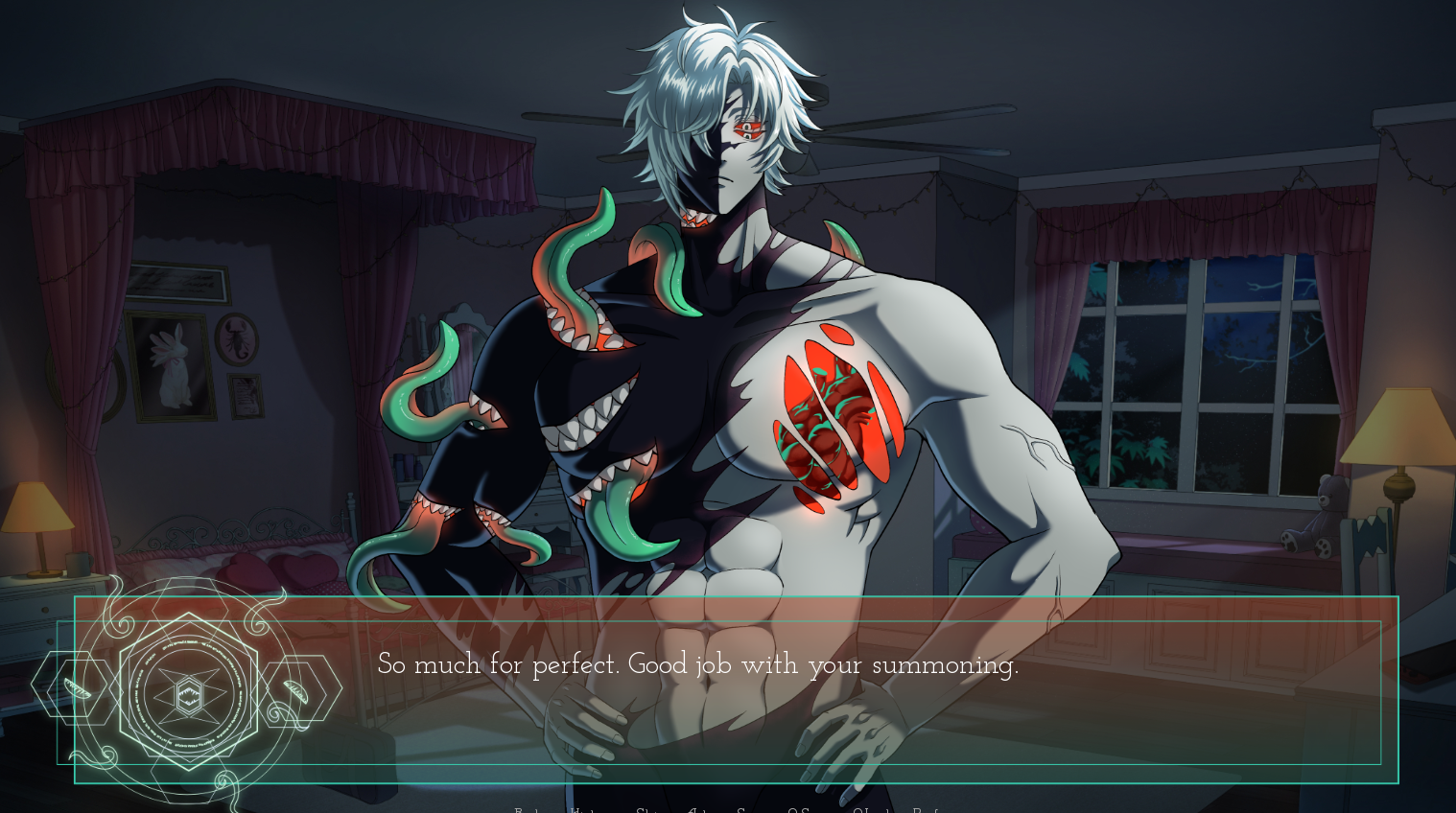
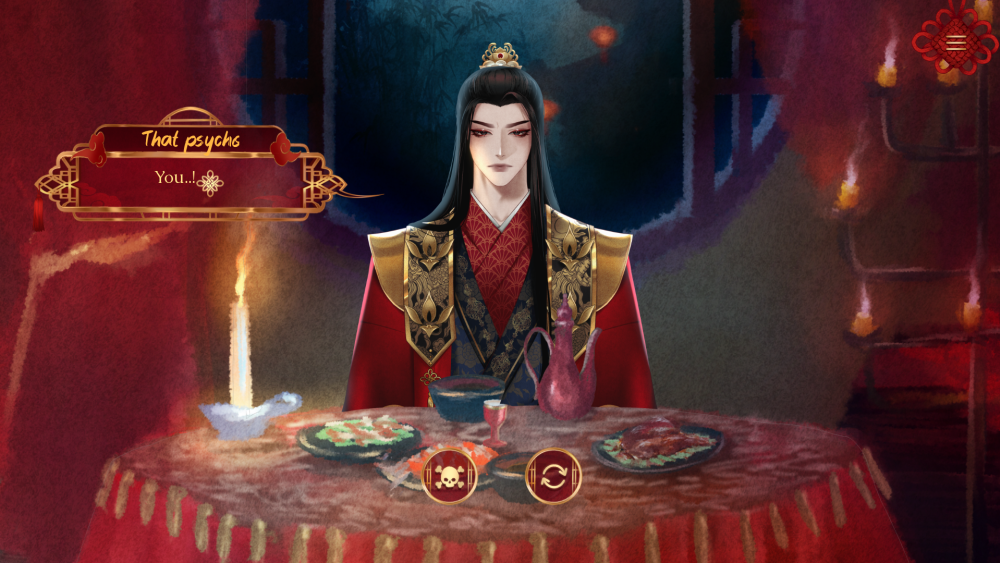
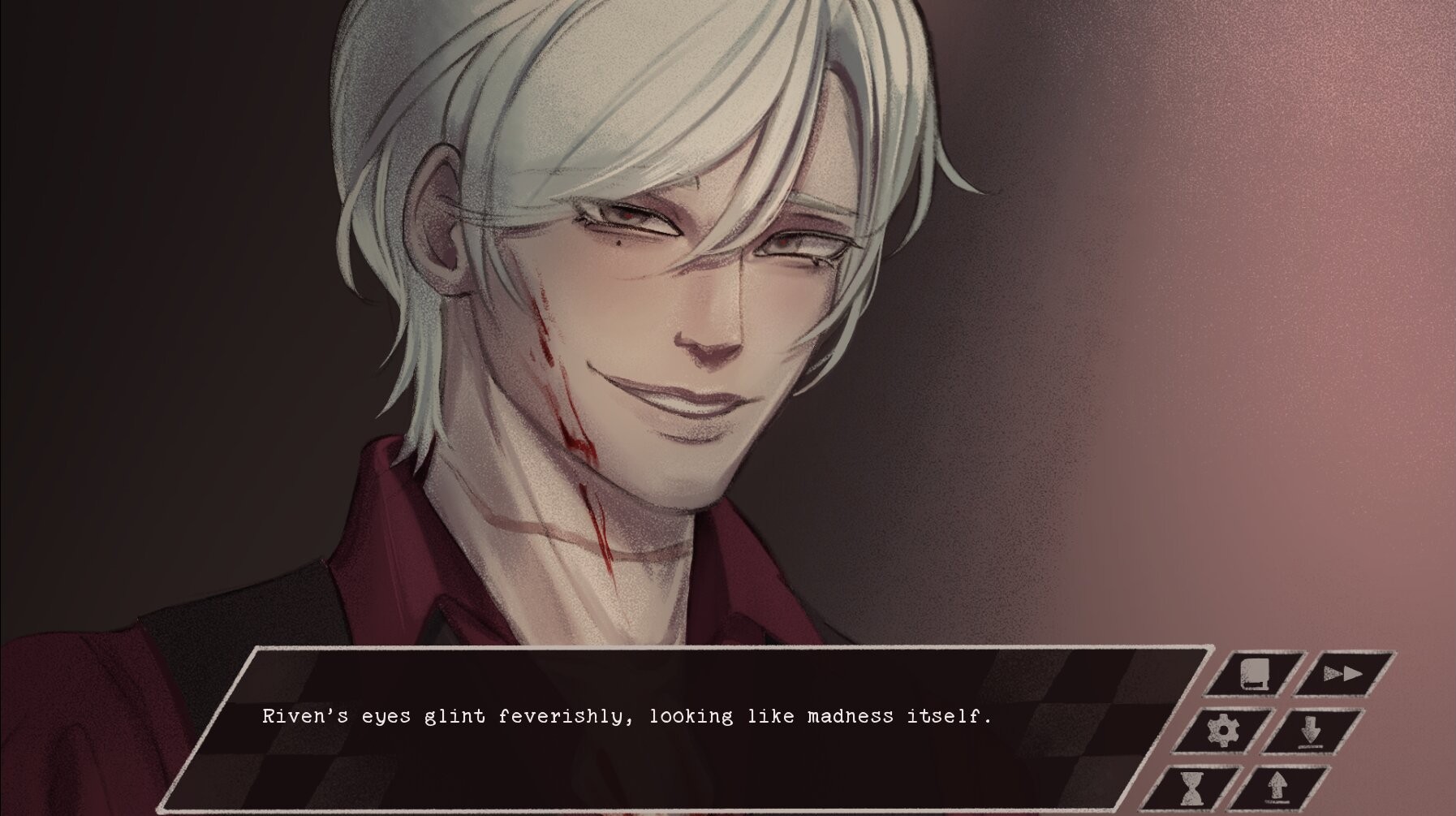
Otome are romance VNs traditionally aimed at a female audience, where the player pursues romantic relationships with a cast of characters, traditionally male. Amare can be seen as a more inclusive version of the otome genre, removing audience and character genders from the definition. Josei is a demographic label borrowed from the manga world indicating that the primary audience is adult women.
The presence of the Yandere tag – a character archetype for romantic interests that are initially sweet, but under the surface obsessive, possessive and often violent – as well as the Dark Fantasy tag is interesting, and shows that these female-audience romance VNs typically lean into darker themes.
Yuri & Queer (1379 games)
Yuri is a genre traditionally focused on romantic relationships between women. Here we see that the Yuri and Lesbian tags often appear with LGBT-related tags, reflecting that this category might be more inclusive on Itch than its Japanese origins.
An especially interesting tag is Toxic-Yuri. These are yuri VNs focusing on darker themes typically surrounding unhealthy relationships, such as obsessiveness, codependency and manipulation. This is interesting to compare with how Yandere is prevalent in the Otome & Dark Romance category. One reason this tag might be so common in the 2025 data is that the Toxic Yuri Jam was held during summer 2025.
Yaoi & Bara (499 games)
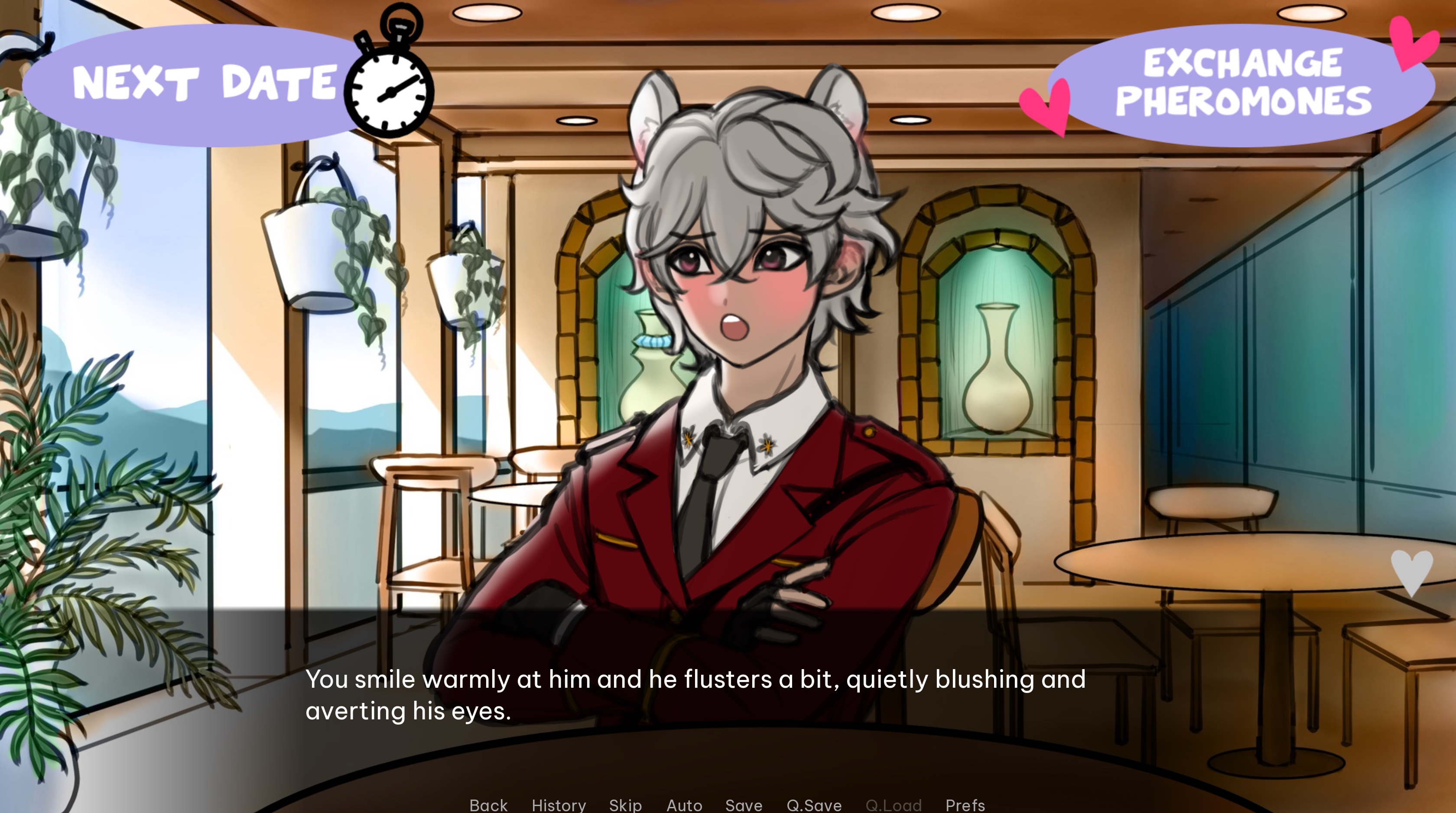
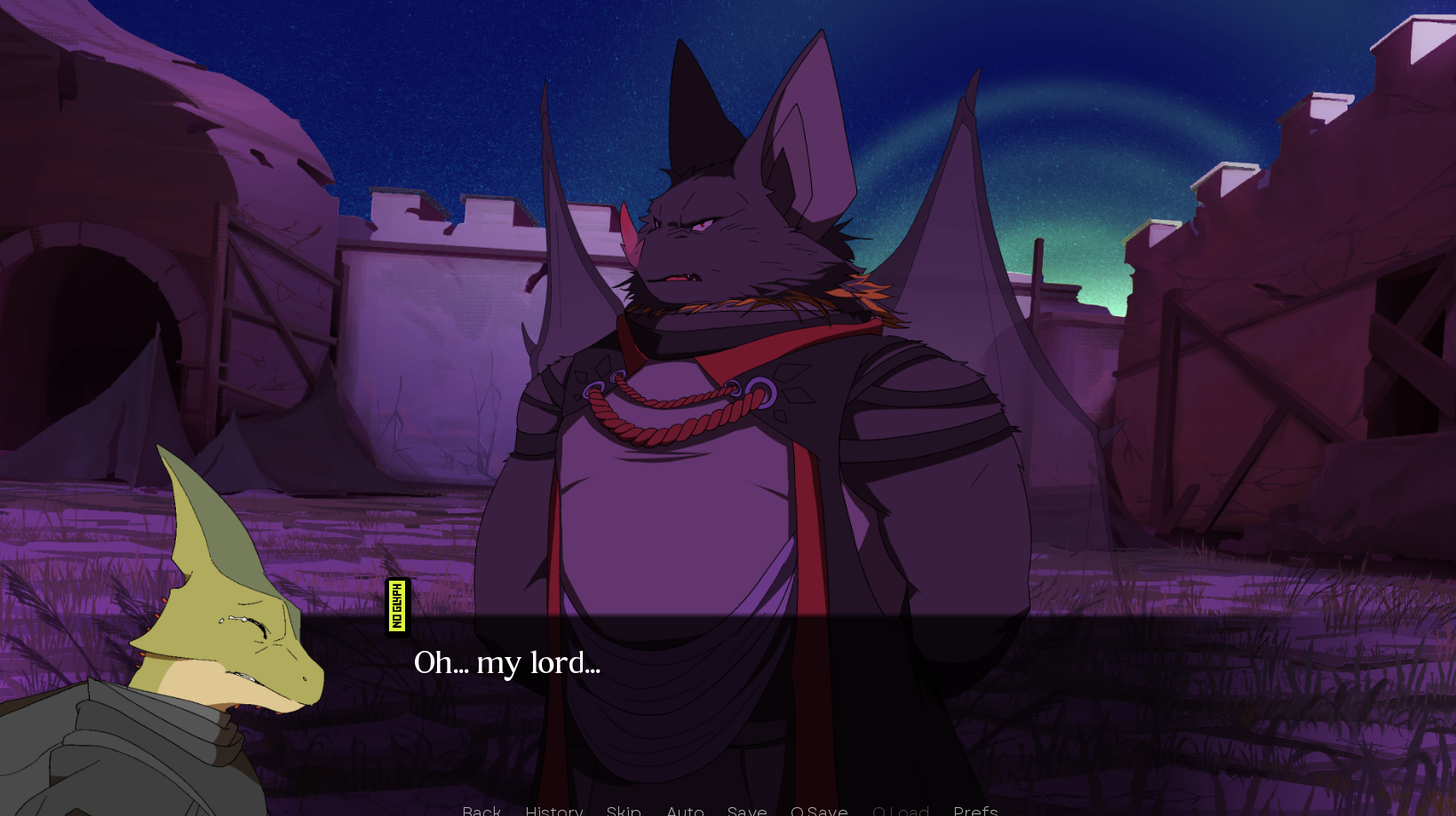
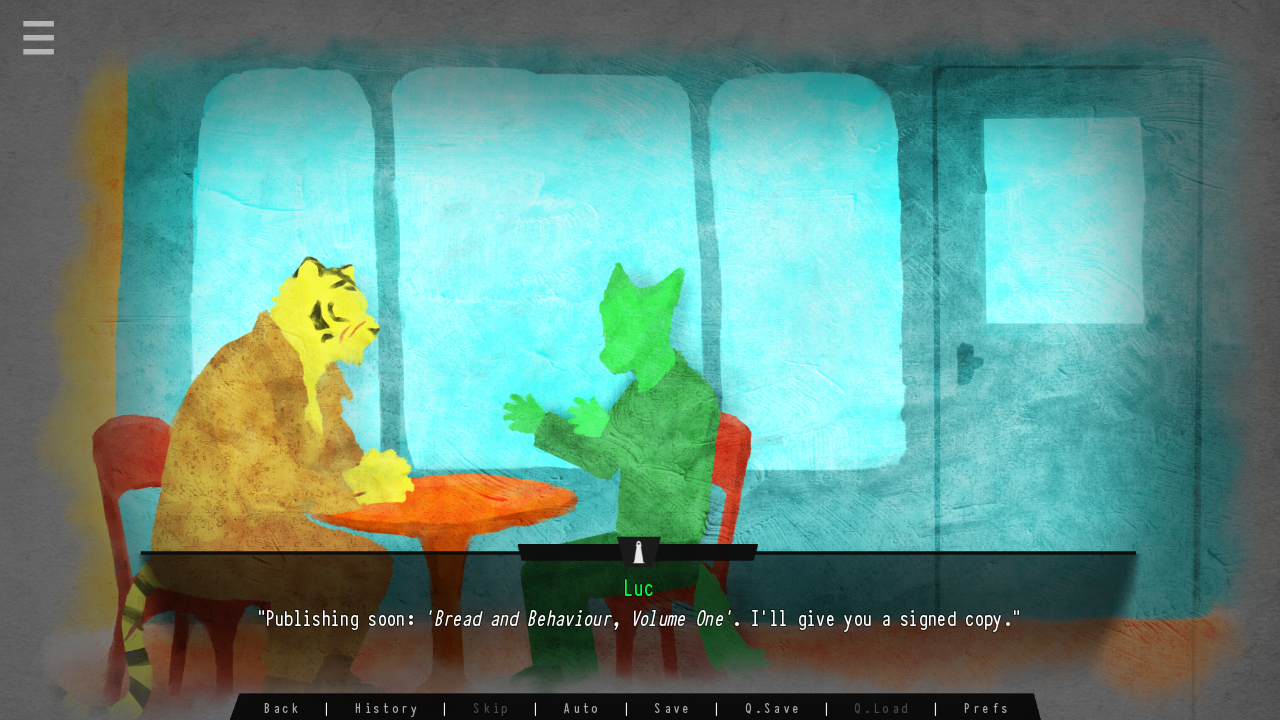
Yaoi is a genre about romantic relationships between male characters, traditionally aimed at a female audience. Boys' Love (BL) refers to essentially the same thing, but could be seen as slightly more modern or broader, since yaoi has traditionally referred to more explicit content. Bara also refers to VNs about male-male romance, but is distinct from yaoi and BL since it originates from gay male subculture, written by gay men for gay men, and often starring more traditionally masculine characters.
Furry focuses on anthropomorphic animal characters. It's interesting to see that this tag often appears together with tags focused on gay romance! There seems to be significant overlap between these themes: or more specifically many furry VNs tend to focus on gay male relationships.
Drama & Mental Health (477 games)
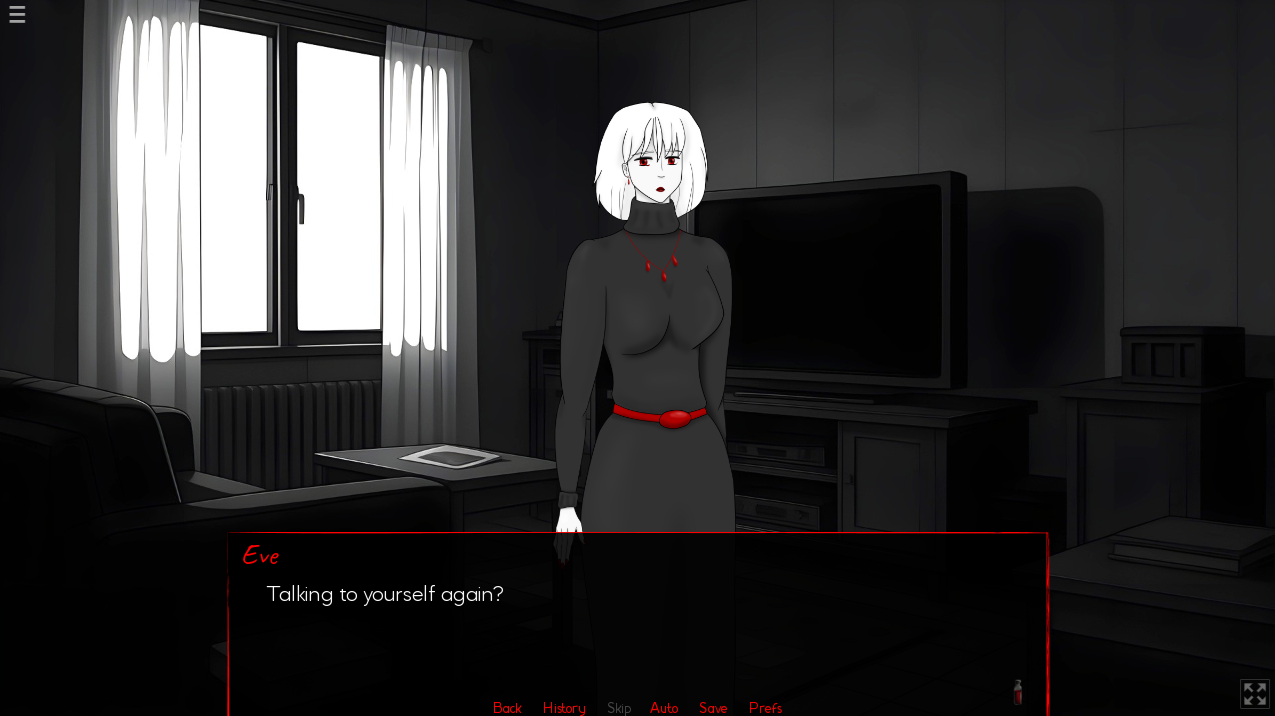
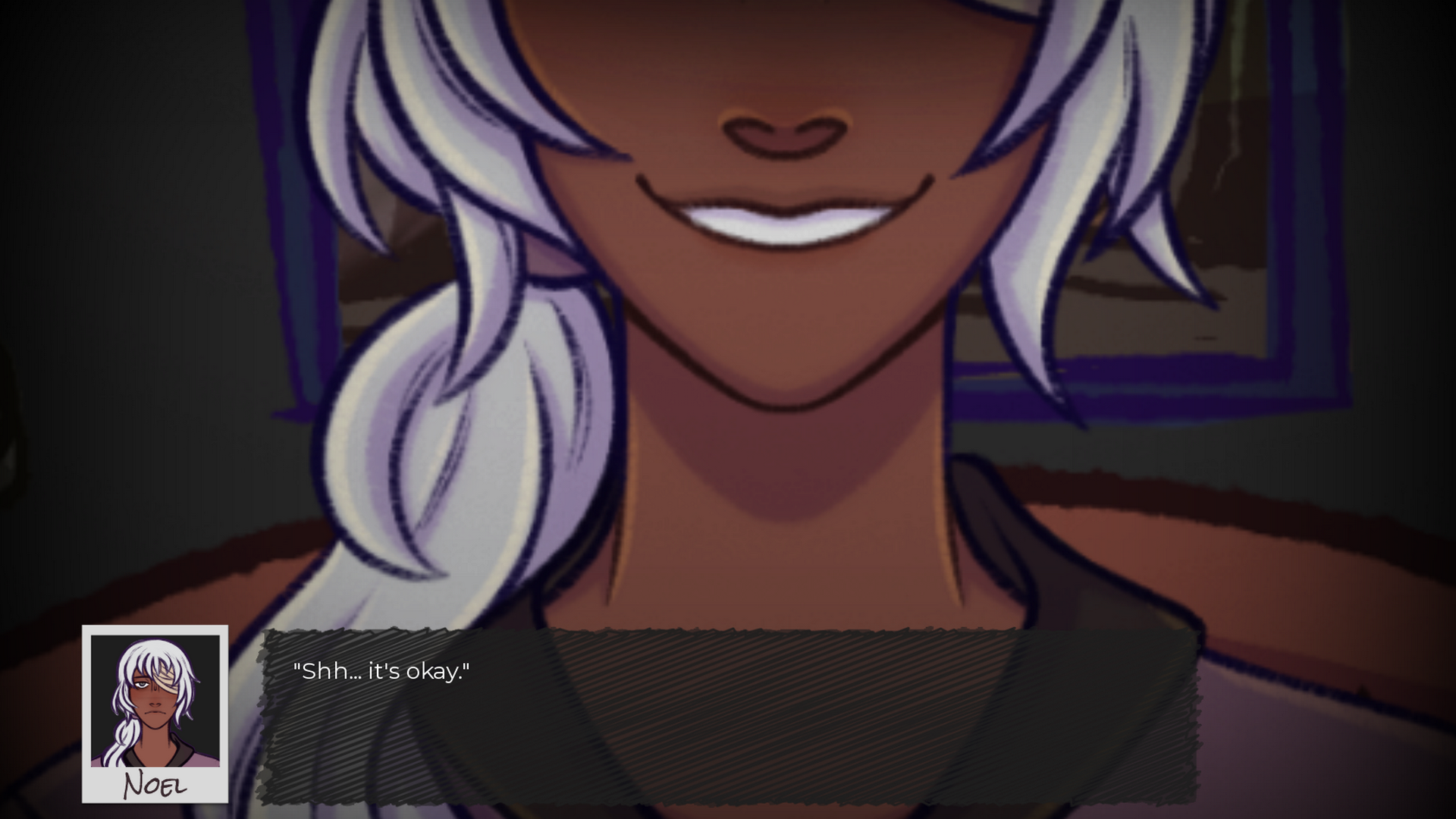
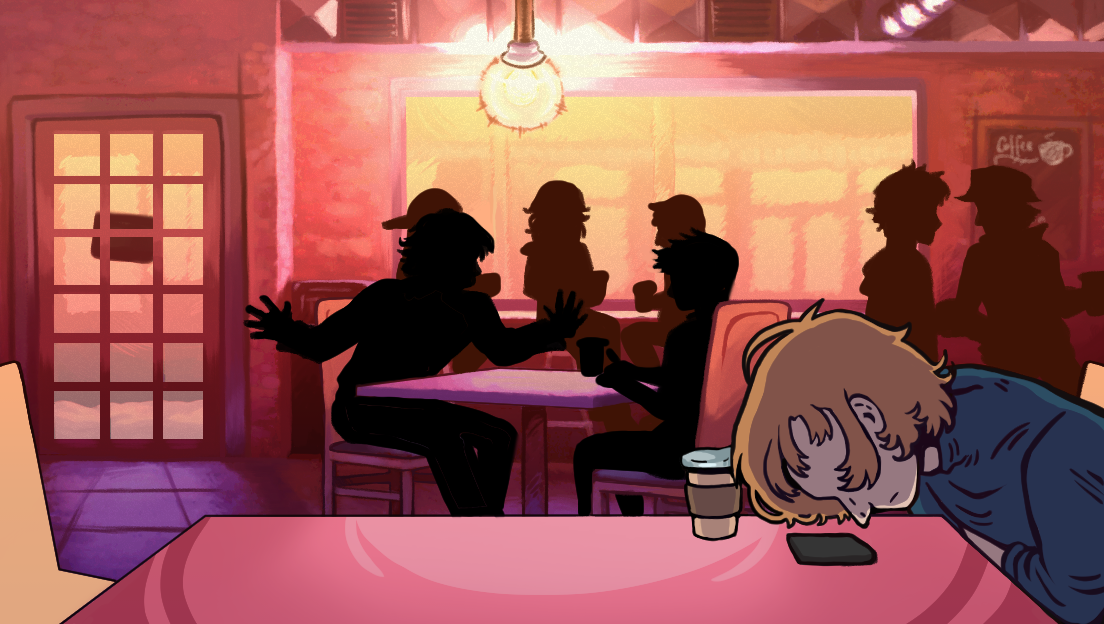
This category focuses on broader Drama-related themes, distinct from the purely romantic-focused categories previously described. These VNs sit at the intersection between more personal and emotional stories as shown by the Coming of Age and Relationship tags, and darker psychological themes as indicated by Mental Health and Psychological Horror.
Mystery & Noir (726 games)

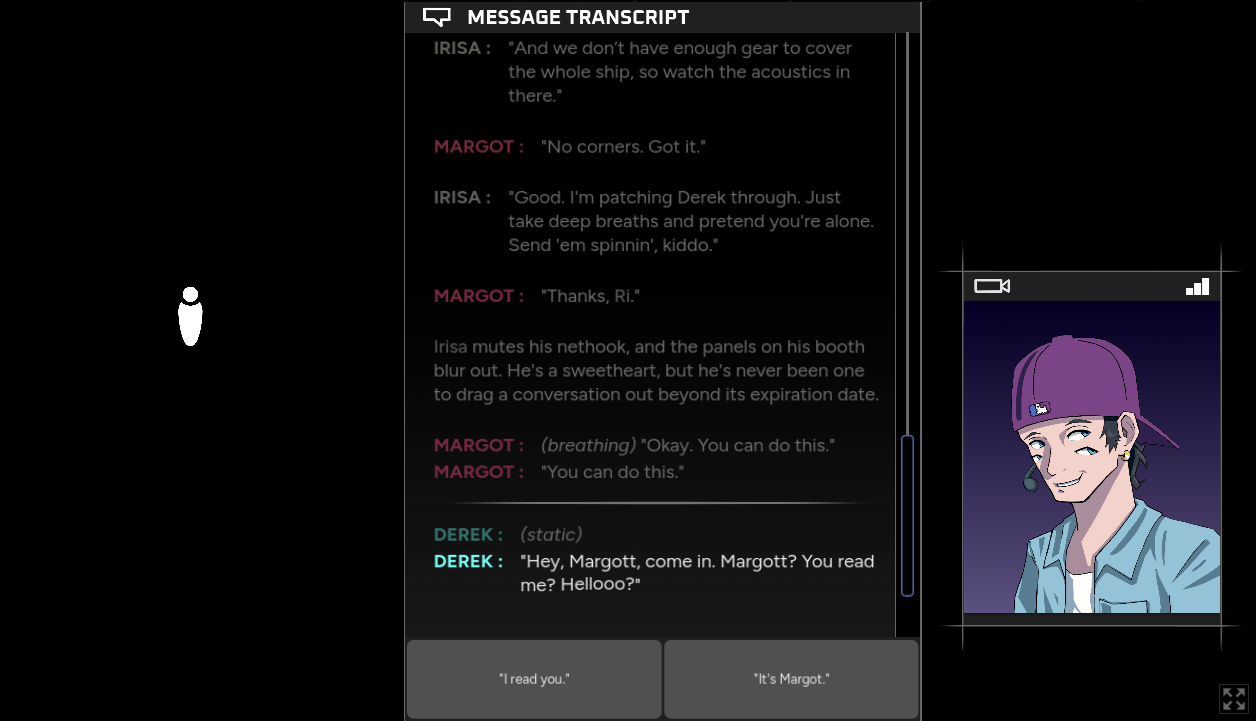
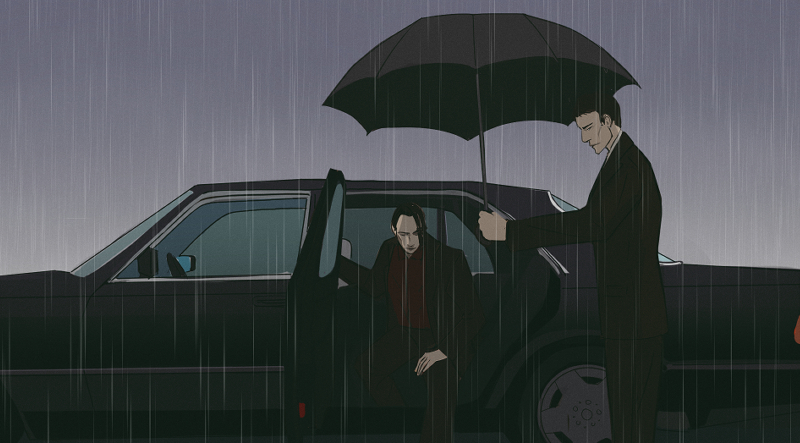
The Crime, Noir and Detective tags paint a picture of classic gritty noir fiction: hard-boiled detectives, crime syndicates and relentless dark atmosphere. Of course, the mystery VNs on Itch tend to have both more inventive settings and more diverse characters than old noir novels.
There is also a gaming legacy at play here, with Mystery and Detective tags sometimes implying a certain type of gameplay requiring deduction at the player's part to further the story. For example, we see multiple Ace Attorney fan games in this category.
I think it's worth mentioning that the very first visual novel, The Portopia Serial Murder Case (by none other than Yuji Horii of Dragon Quest fame), would have fit right in here!
Note that the Time Travel tag sneaked into this category's tag list! At first this surprised me, but when I looked at some example games I realized why: many of these games have time loops, à la Groundhog Day. This is of course a great device for mystery games. (One of my favorite games ever, Outer Wilds, is a good example of this.)
Spooky & Supernatural (290 games)
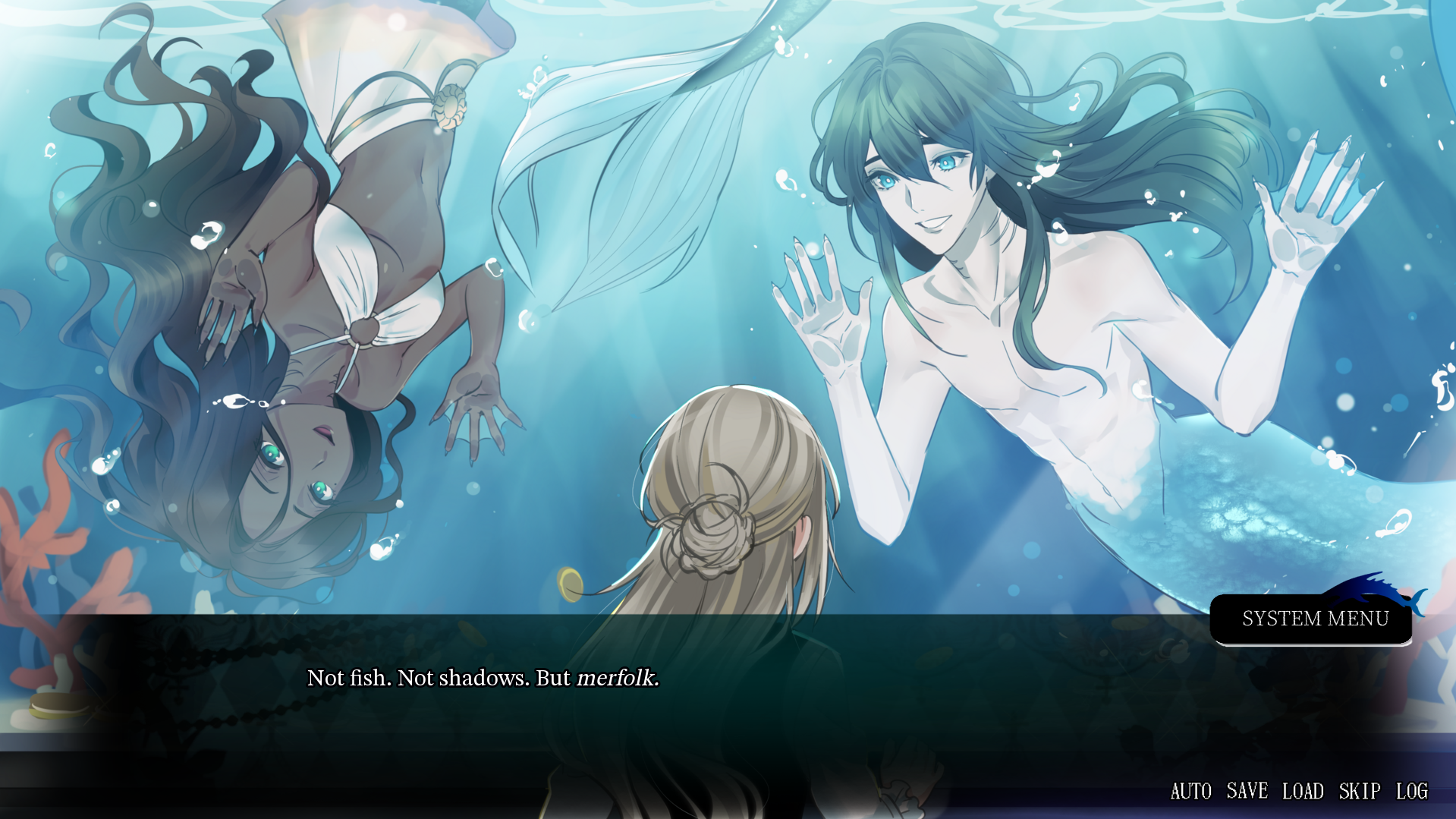
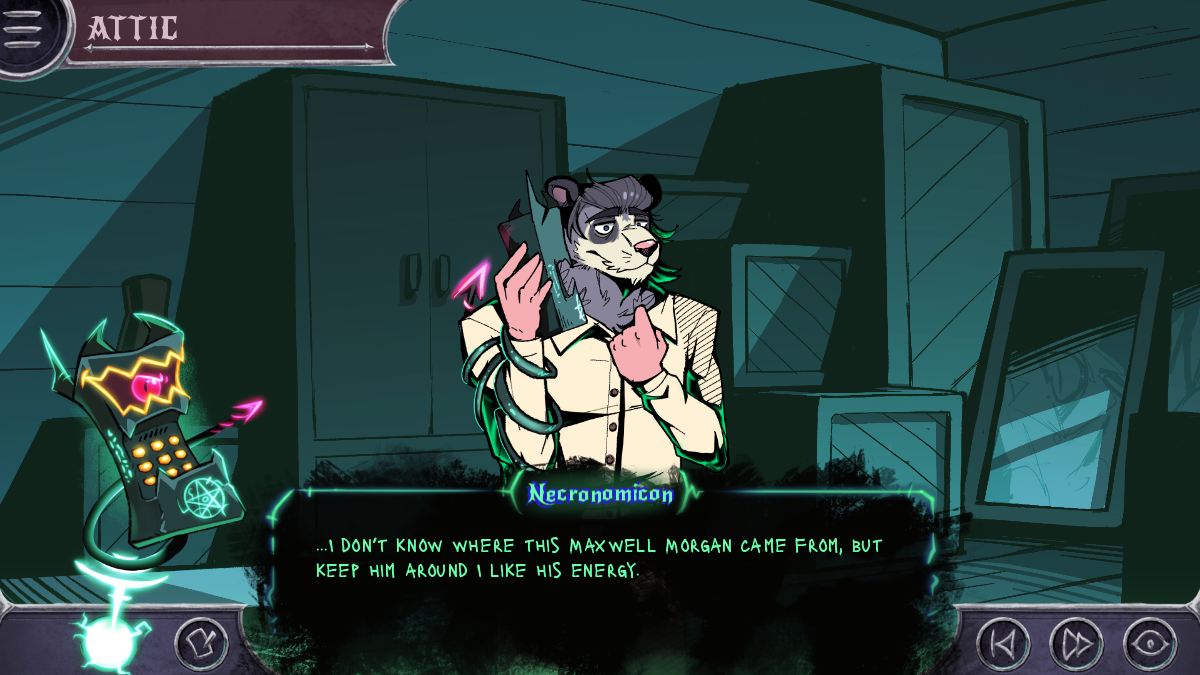
The games in this category are typically not the grittiest horror, but instead we find games with Ghosts, Vampires or classic Halloween themes. Interesting to note: 7.2% of the games in this category either has the Spooktober tag, or mentions Spooktober in its description, which I would guess in most cases indicates the game was an entry in the annual Spooktober VN jam.
Folklore & Monsters (269 games)
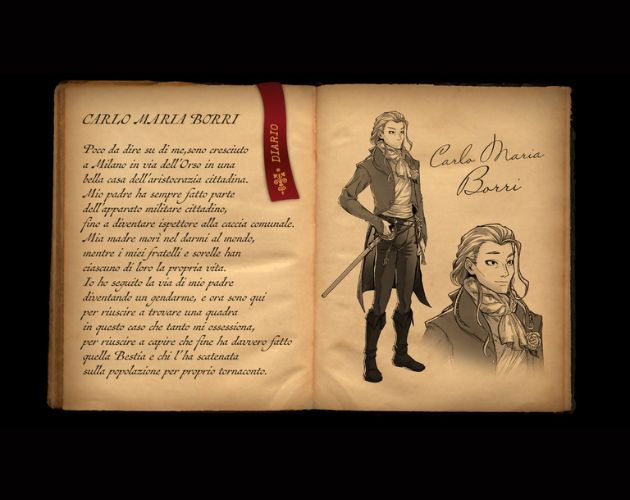
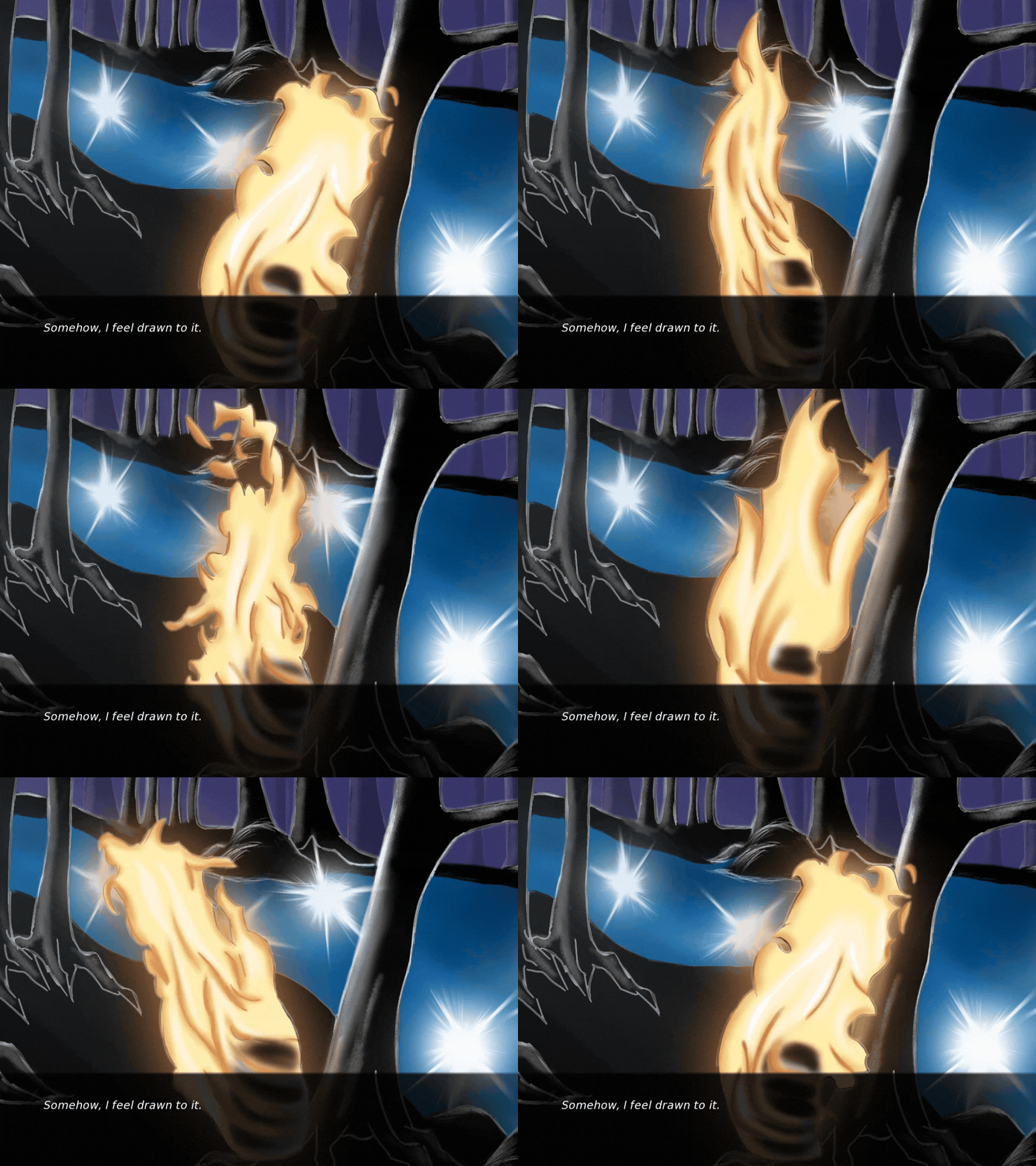
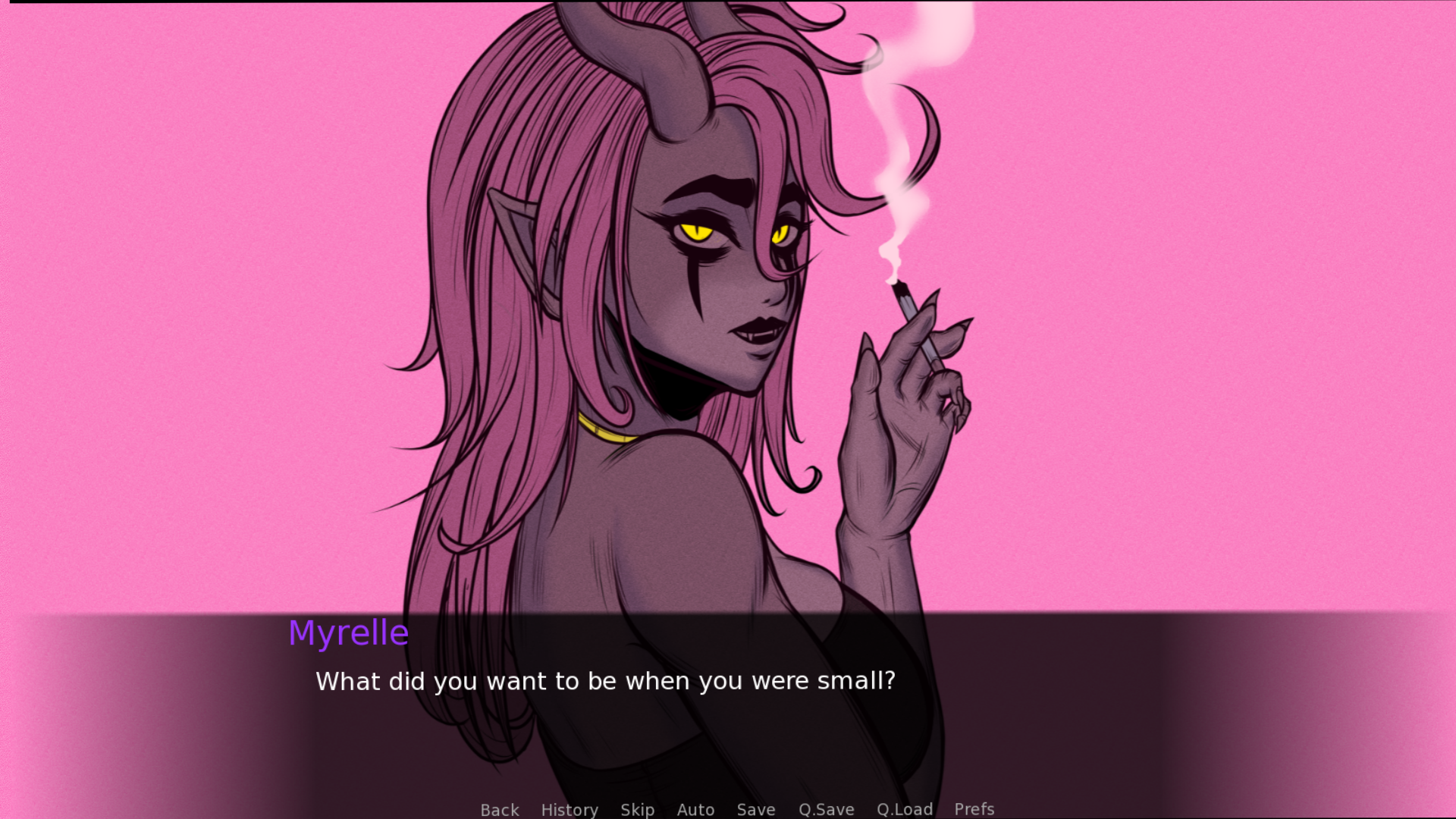
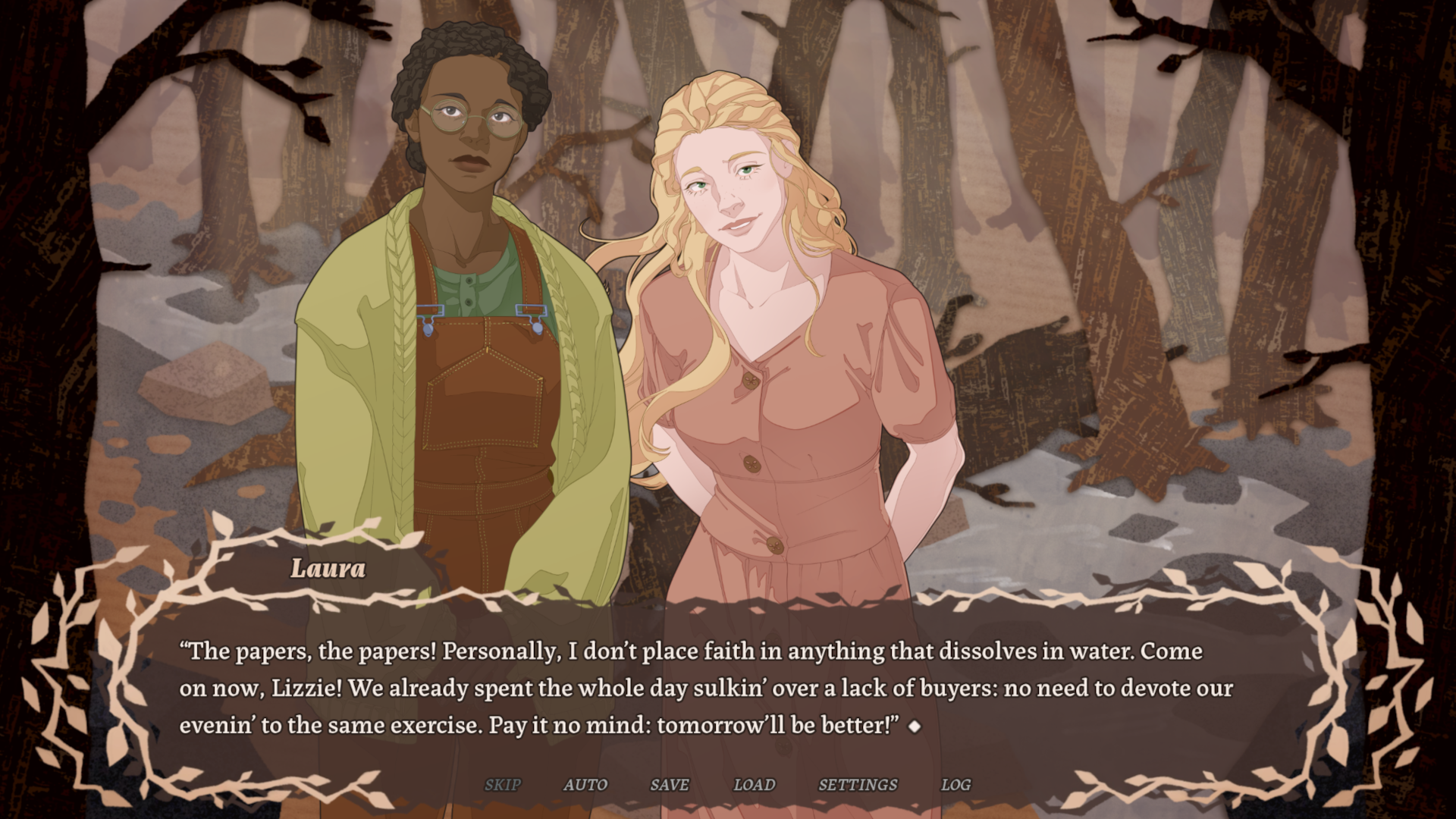
This category contains stories grounded in legends and folk tales, as well as VNs with Historical settings, often set in Medieval times. Fantasy elements and Monsters are seen as well. The Monster Girls tag is present, too... I'm not sure, perhaps I should have filtered this one out when removing NSFW tags...
Sci-fi & Post-Apocalyptic (616 games)
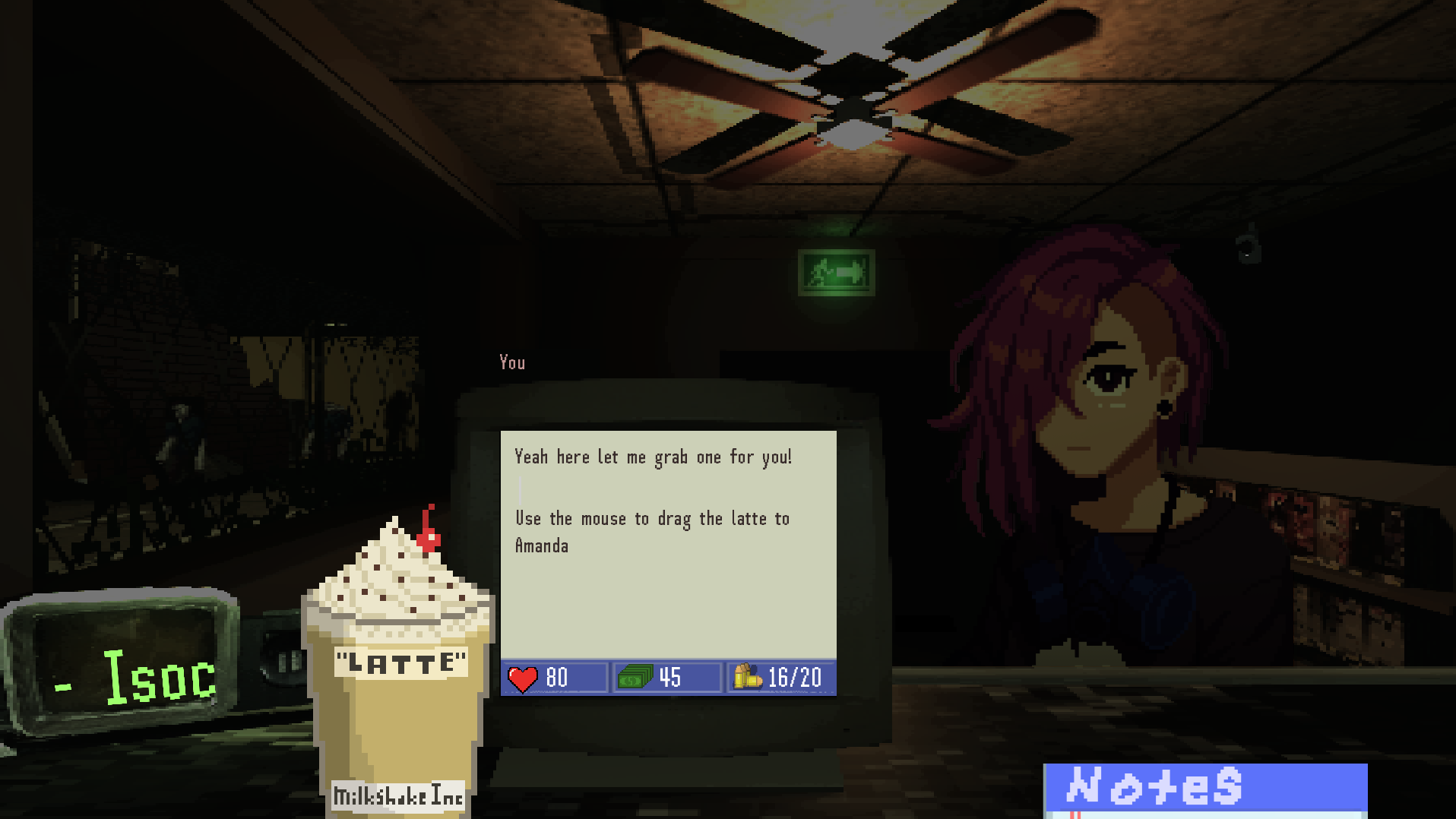
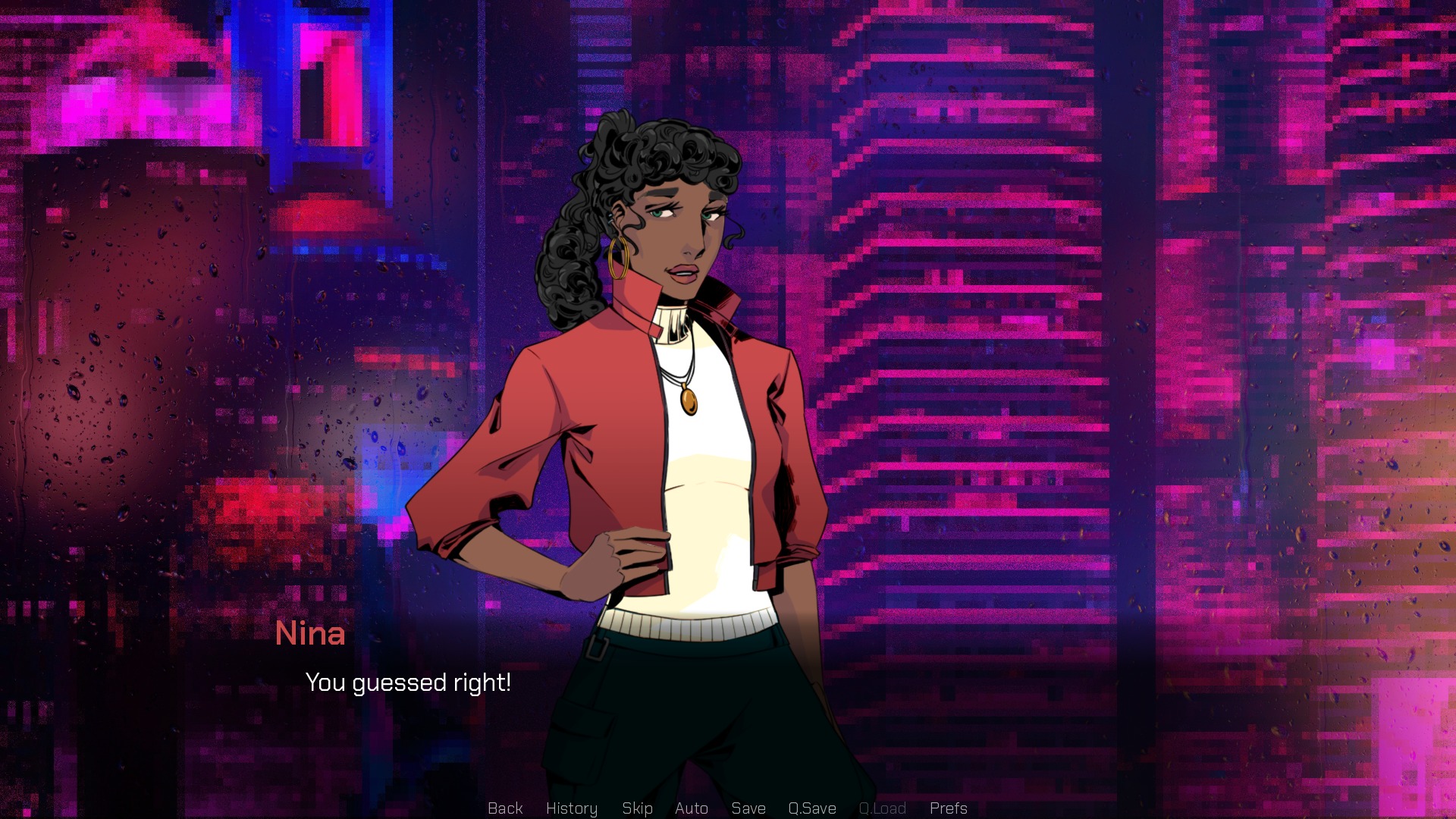
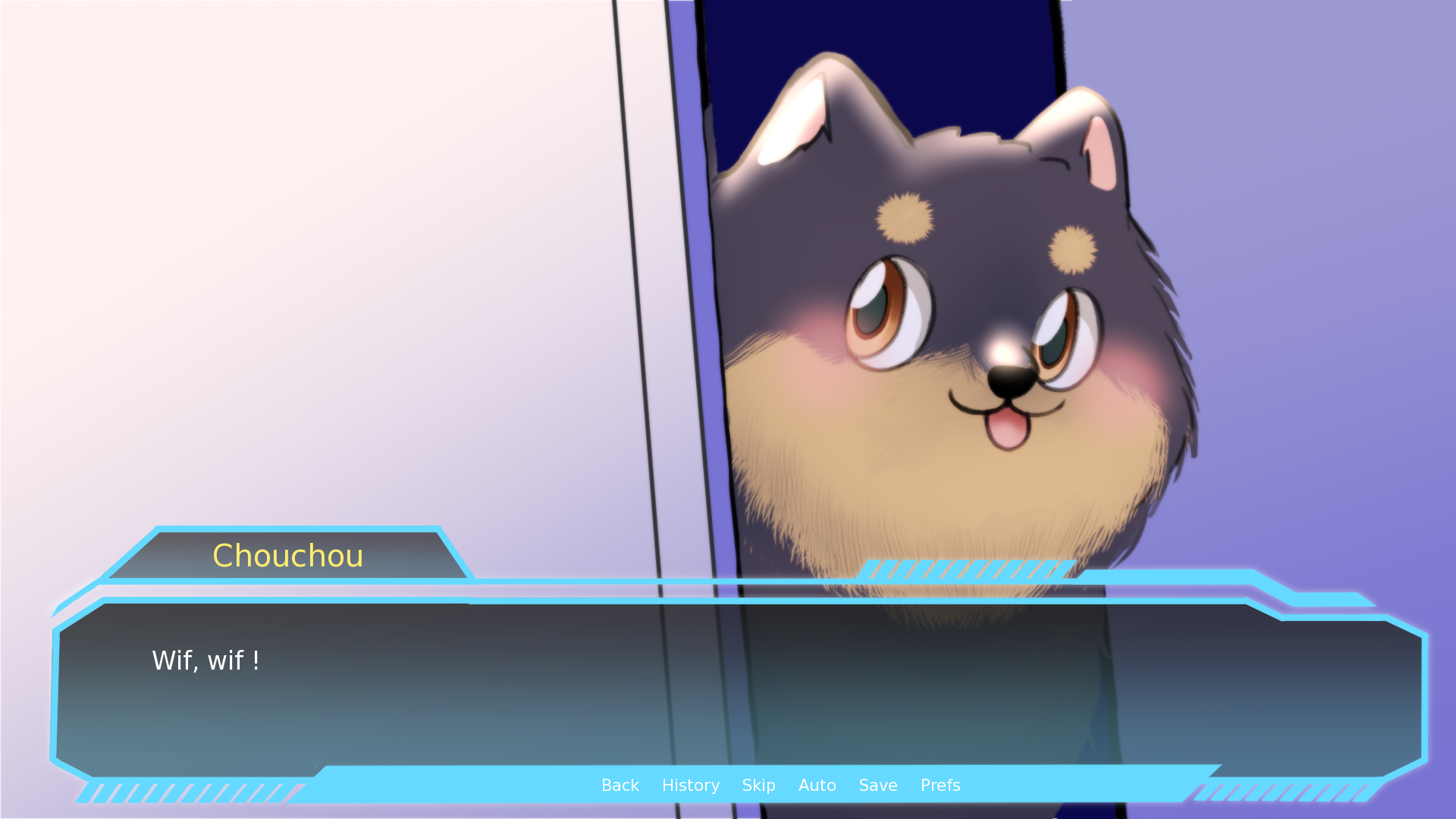
In this category we see games with a plethora of dark Sci-fi themes, from stories of grim futures to tales of space-faring adventure. This category ended up with lots of tags in its cluster: there's Robots, Zombies and Aliens, plus seven more tags. Diverse, but still with a clear core theme.
Experimental & Surreal (404 games)
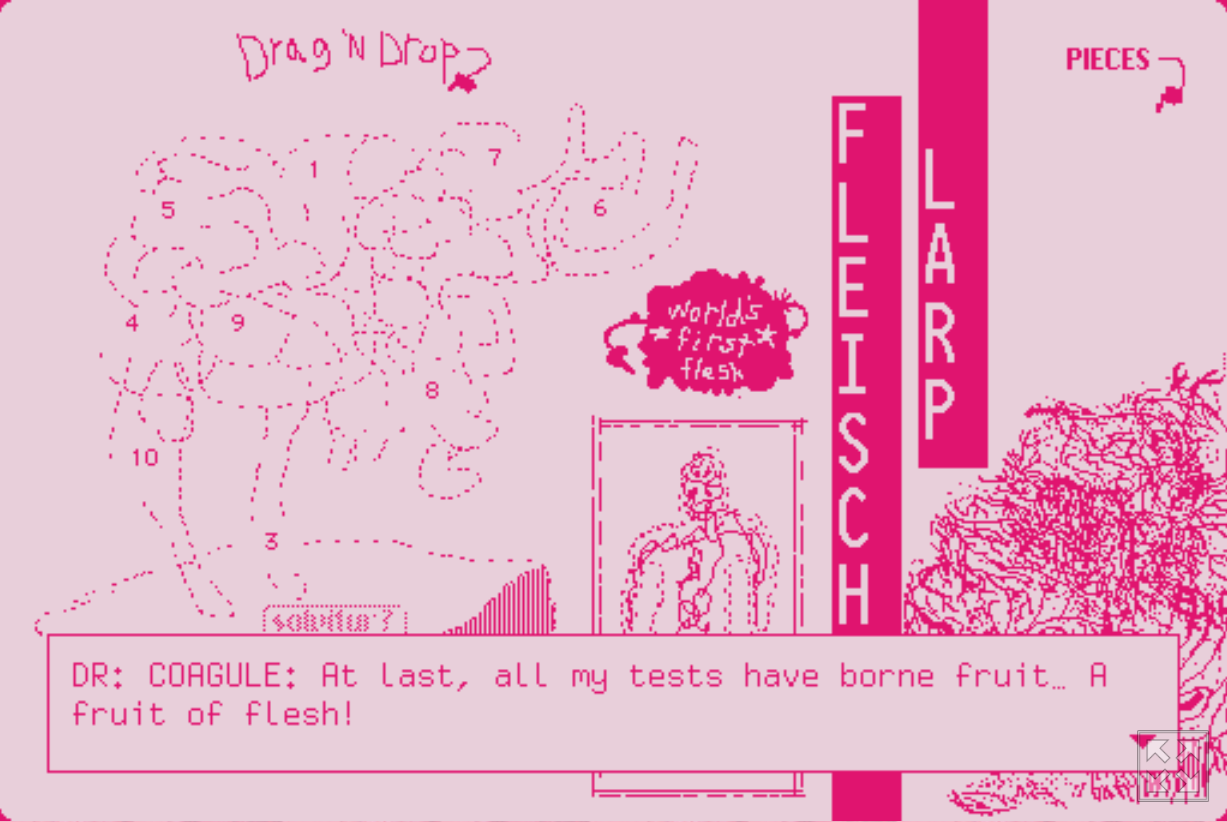
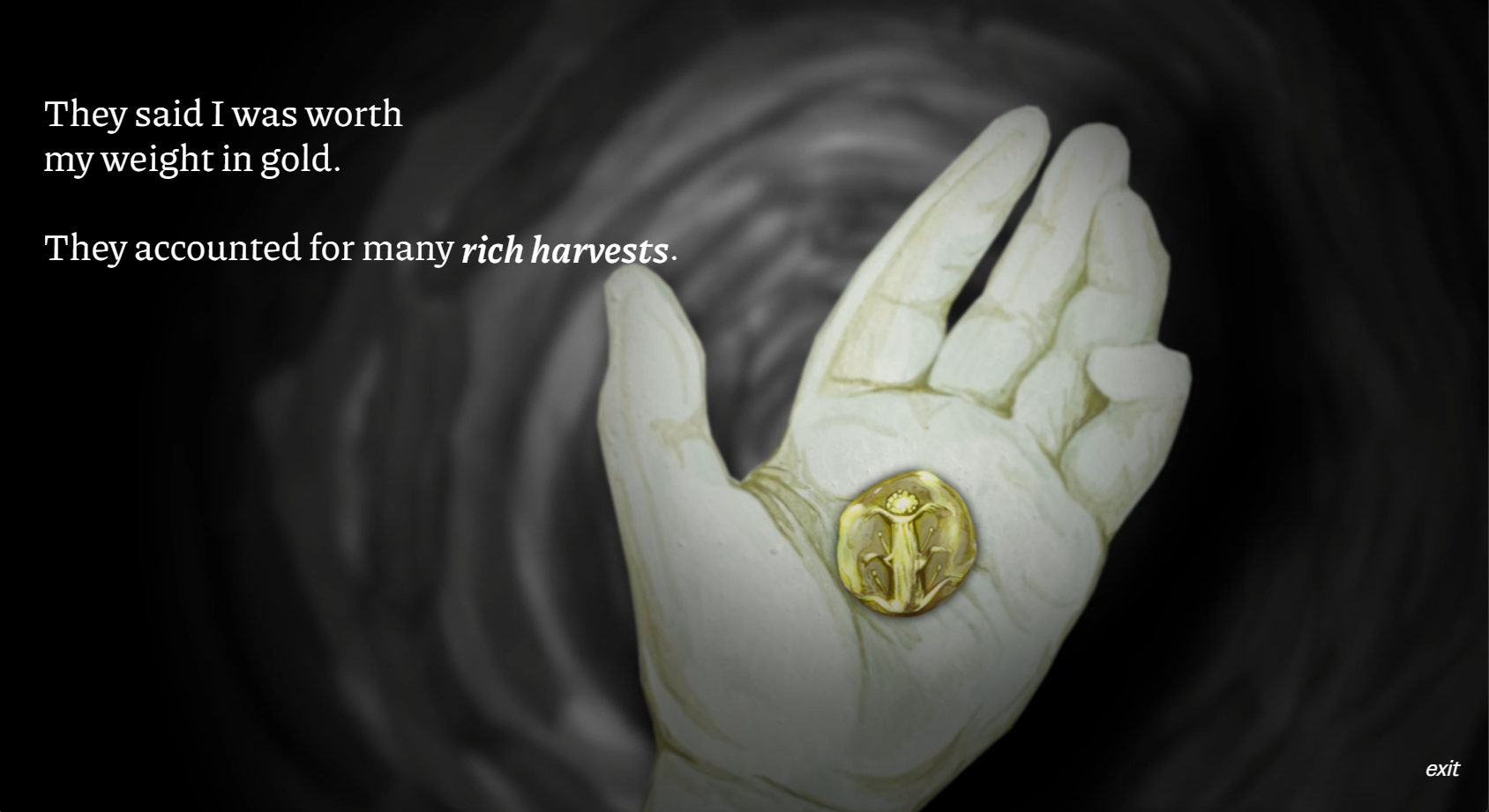
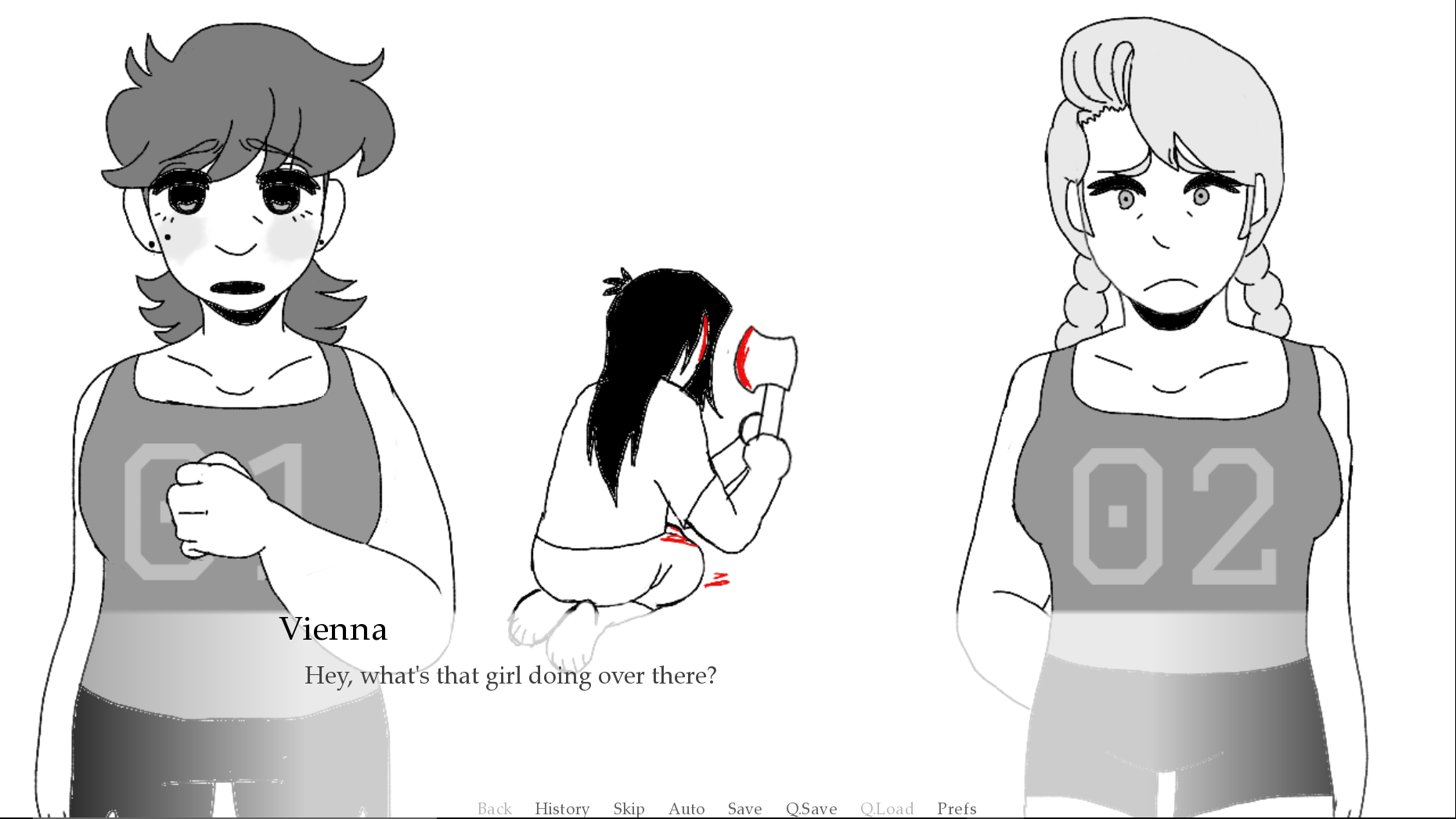
This is where the strange and artsy VN experiences get categorized. Here we see games with offbeat narratives and Experimental graphics, often dealing with existential and emotional themes. And there are many VNs here that look just plain Weird: the kinds of games the authors just had to make for themselves, rather than games made for a specific audience (a thesis supported by the numbers of ratings VNs in this category tend to get, see the plots further down).
Comedy & Satire (883 games)
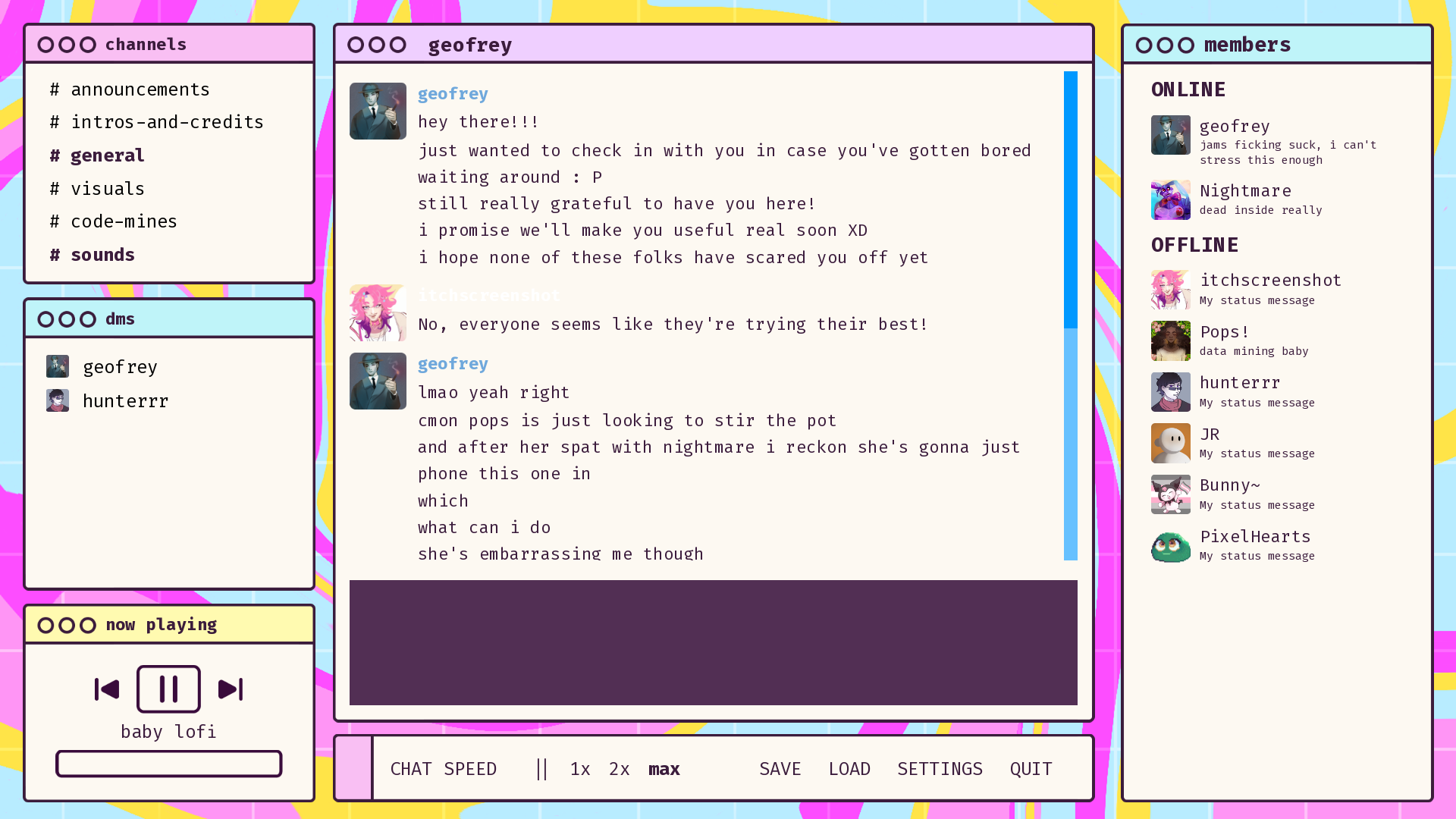
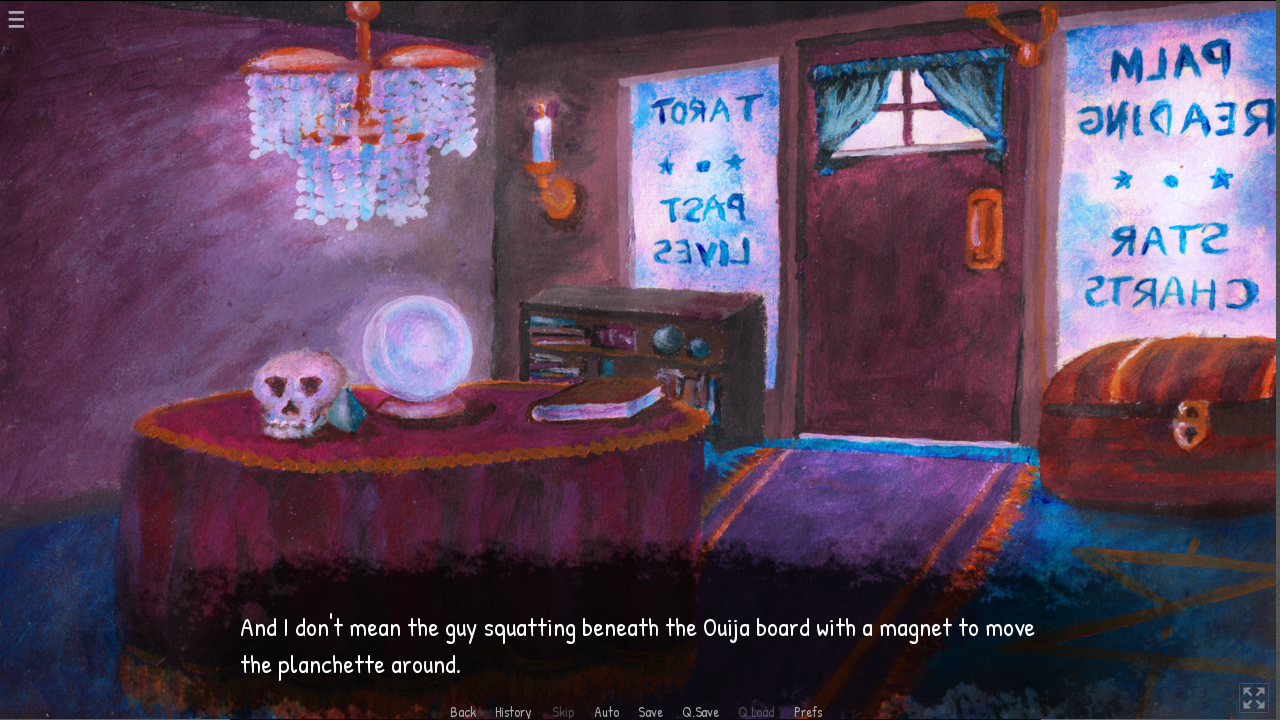
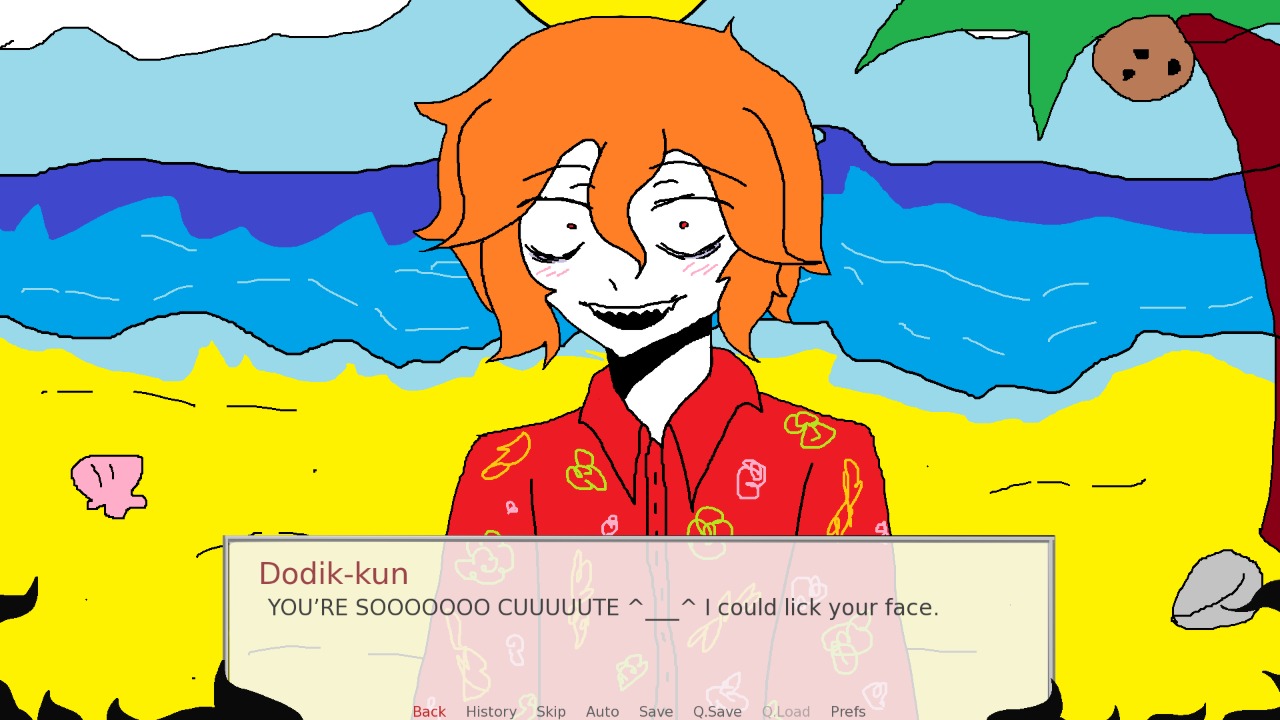
Humor is a common theme among Itch VNs. We see both romance VNs with Comedy aspects and lots of silly little joke games. Many stories lean into satirical and darker themes. Note that Gore ended up in the tag list as well! 😬
Cozy & Relaxing (349 games)
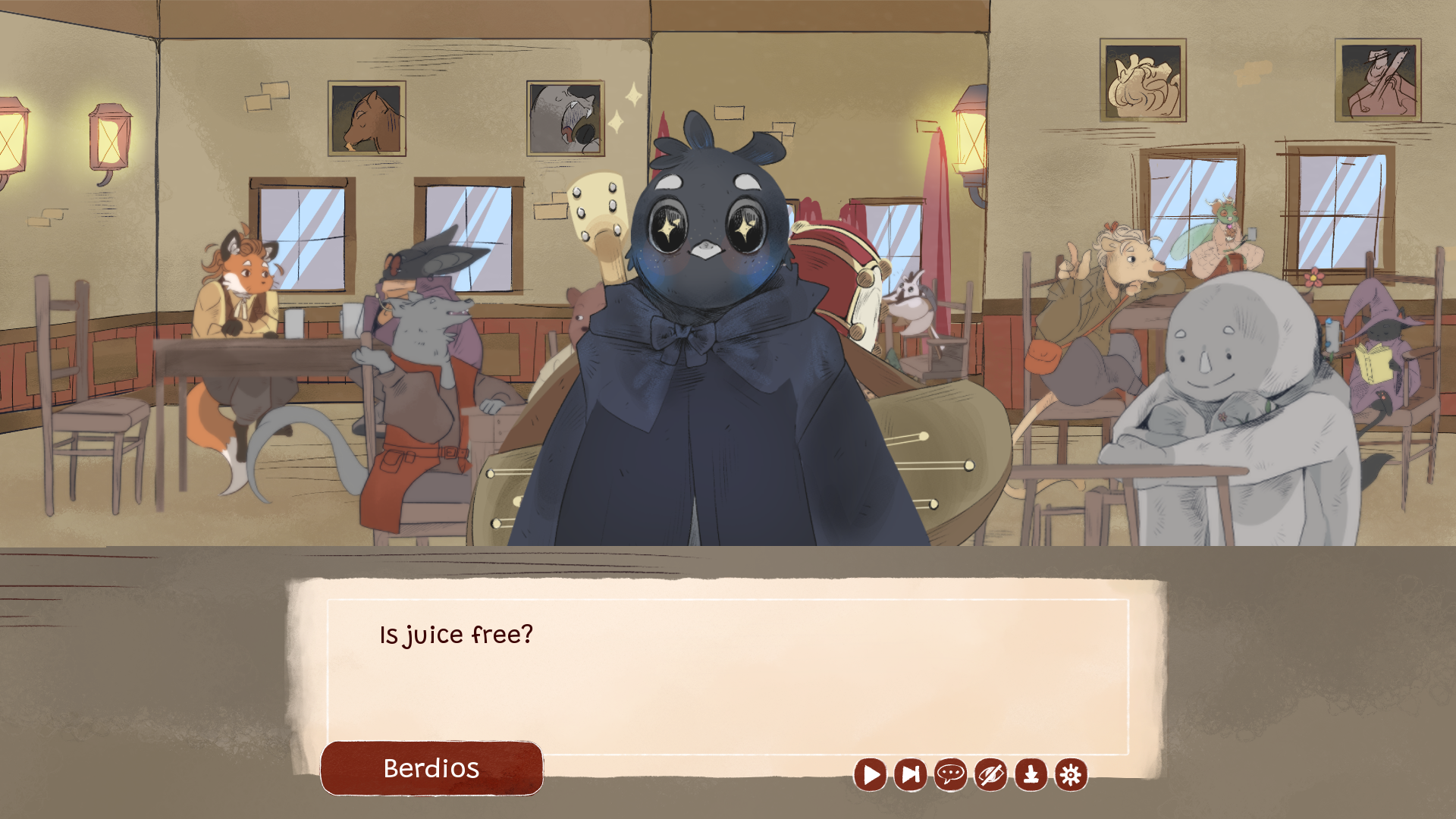
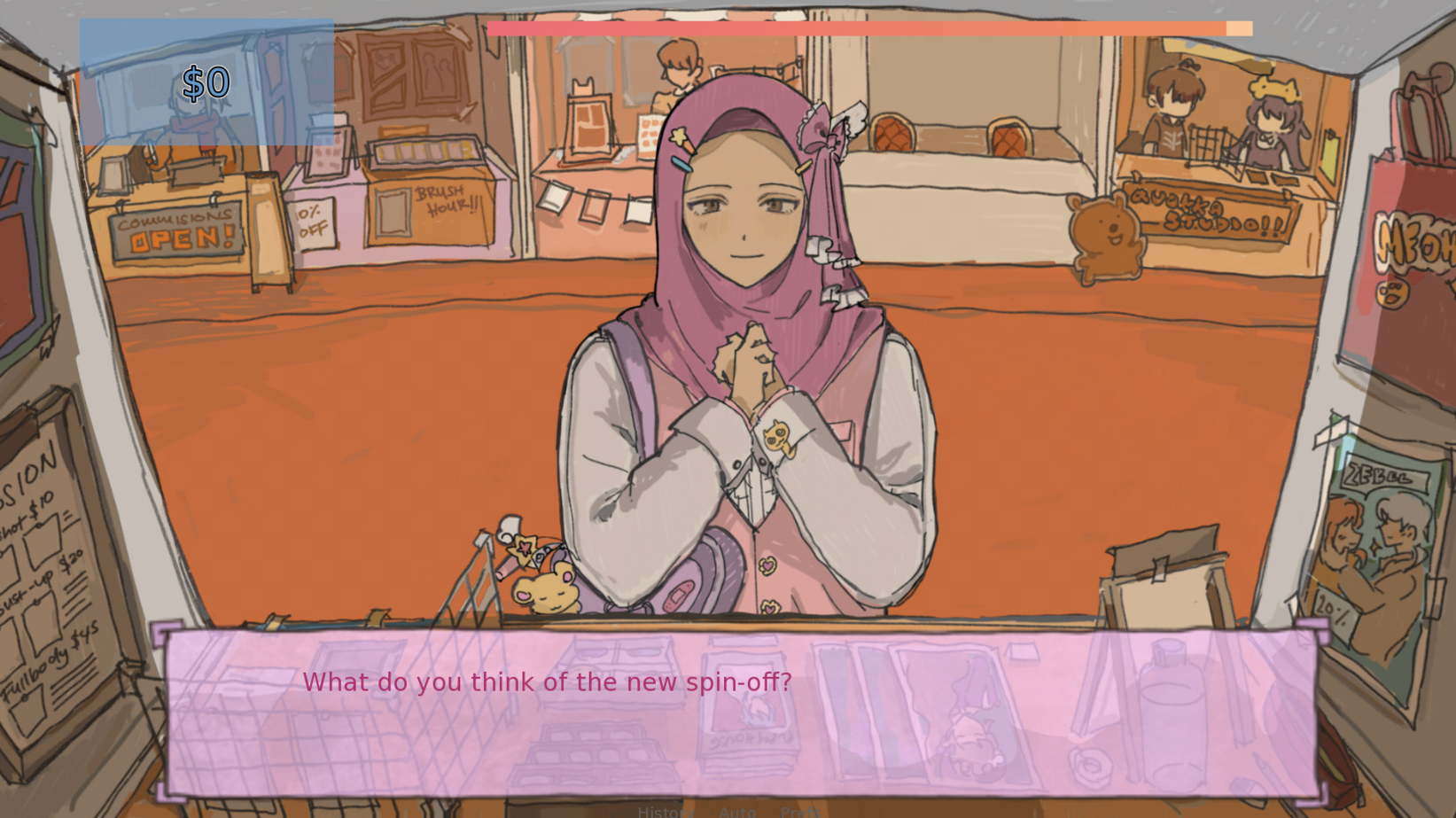
Cozy games is a big genre nowadays, and of course it's present among Itch VNs as well. But cozy is more of a vibe, not a clear narrative theme, as we can see when looking at the diverse list of tags: Cooking, Cats, Animals, Magic... Looking at the co-occurrence scores, we can see that there is a cut-off where Magic, Characters and Casual are clearly less central to the cluster than the other tags. Cooking and Cats, however, seem to be an important part of the cozy VN experience on Itch!
So, those were the categories we found!
A small aside: Out of curiosity, I also tried the method with all tags, including NSFW ones. The clusters and categories were essentially the same, plus three additional ones: two big ones focused on domination and cuckoldry respectively, and a smaller one focused on femboys. The more you know!
Now, to get a feeling for how this categorization performs as a theme classifier, let's look at 2025's top 20 most rated VNs:
| Title | Categories | Number of ratings |
|---|---|---|
| The Freak Circus | Otome & Dark Romance, Drama & Mental Health, Folklore & Monsters | 4682 |
| Don't eat the cashier! | Otome & Dark Romance, Folklore & Monsters | 1928 |
| Where Eternity Sleeps | Otome & Dark Romance | 1300 |
| CreepyDates | Otome & Dark Romance, Comedy & Satire | 945 |
| Criminally Yours | Otome & Dark Romance, Yaoi & Bara | 921 |
| Big Bad Dogs | Otome & Dark Romance | 811 |
| Heartstop Tour [FULL GAME] | Otome & Dark Romance, Yaoi & Bara, Yuri & Queer | 605 |
| Love Letters | Cozy & Relaxing | 566 |
| Under Your Skin | Otome & Dark Romance | 560 |
| Watch the Road (DEMO) | Otome & Dark Romance, Drama & Mental Health | 502 |
| Fear Me [Jeff the Killer's Dating Sim] | Otome & Dark Romance | 500 |
| Haunted by Femboy Demo NSFW | Yaoi & Bara, Yuri & Queer | 495 |
| Bound By Fate ~ Cursed Soulmates ~ (DEMO) | Otome & Dark Romance, Comedy & Satire | 481 |
| Looking For You | Otome & Dark Romance, Mystery & Noir | 435 |
| fallen devotion (demo) | Drama & Mental Health, Mystery & Noir | 429 |
| Seduction Of The Demon Queen NSFW | Yuri & Queer | 427 |
| Knee Deep! [DEMO] | Otome & Dark Romance | 413 |
| How To Break Up With Your Yandere Boyfriend | Otome & Dark Romance, Mystery & Noir | 391 |
| Killer Chat! Expanded Edition [DEMO] | Otome & Dark Romance, Yuri & Queer, Comedy & Satire | 386 |
| Unleashed | Otome & Dark Romance, Yaoi & Bara, Yuri & Queer | 369 |
(If you've read the previous blog posts: yes, this list is very similar to the top 20 most rated games overall. VNs really dominate the top lists on Itch.)
Overall, a decent categorization I'd say. Lots of Otome & Dark Romance in the top, hinting at
what we're about to look at in the next section: how popular are the different categories?
Which categories have the most VNs? Which are most popular?
We've written out the number of games per category already, but let's look at them all in one clear plot:
Yuri & Queer is at the top! I knew from previous analysis that LGBT themes are especially
common on Itch, and it was my belief that this was mainly due to visual novels. I think this data
indicates that there is truth to that.
But to get a feeling for how popular each category is, let's plot out the number of games per category with 50 or more ratings. (I'm using this somewhat arbitrary number to determine if a game is a "hit" or not.)
We see that Yuri & Queer is not only common, the category also has many hits.
But I think the most interesting data point here is: Otome & Dark Romance is the top
category among VNs on Itch. A glance at the top 20 above already essentially spoiled this, but
this plot makes it loud and clear. In absolute terms, there were 92 Otome & Dark Romance VNs with 50+ ratings in 2025.
And this is interesting: 48 of those, slightly over half, had the Yandere tag. Is that the
secret ingredient to success?
Another category that clearly punches above its weight is Yaoi & Bara. Despite not being so
numerous, there were many VNs in that category that received a lot of attention. I also think it's
interesting how the clustering shows that Yaoi & Bara is a distinct category separate from
Yuri & Queer. While there is overlap, those still seem to be two pretty distinct communities.
We see Experimental & Surreal at the bottom. Perhaps not so strange, since it's kinda part of
the definition that those types of games don't have wide appeal. Also Cozy & Relaxing is low.
My guess is that VN readers mainly want drama and emotion, not something relaxing and casual.
Now, let's take a look at another plot. This time, we want to try answer the question: given a category, how likely is it that a VN receives a decent number of ratings? Or more specifically we answer: for each category, what share of games got 0, 1-4, 5-49 or 50+ ratings?
The story told by this plot is similar to the plot above, but here we can in clear terms see that
VNs in our three top categories are very likely to get ratings. Only around 15%-20% of VNs don't
receive any ratings: compare this to all Itch games 2025 for which the same number was 81% (see
my first blog post). We also see that 18% of VNs in the Otome & Dark Romance category received 50+ ratings. That is
IMO simply amazing! No other category I've looked at on Itch overall performs nearly as well.
Honestly, outside the top 3, I think all other categories perform really well too. But it makes sense: as a genre, visual novel is the best performing on all of Itch in number of ratings.
Key takeaways
I think the key takeaways are:
- Otome is really popular, especially when leaning into dark romance tropes. Thus
Otome & Dark Romanceis a super strong category of VNs on Itch. If you want to make an especially popular VN, then make sure the main romantic interest is a yandere character. Yuri & QueerandYaoi & Baraare, based on tagging, two distinct categories.- And both those categories are also very strong, with
Yuri & Queerbeing a particularly active community andYaoi & Baraclearly punching above its weight.
Bonus plots
As a final treat, here are some bonus plots. Now these are a bit harder to read, since they are packed with information. The size of each stack shows the number of games with that tag/engine, and within each stack the colors show how many games got 0, 1-4, 5-49 or 50+ ratings. One could say this visualization combines the type of info that we've previously split into multiple plots.
First, I manually categorized all tags used by 10 or more VNs, and the following plot shows the
top art-related tags after that categorization (but I removed the not very meaningful 2D and
3D tags, the first of which would otherwise dominate the plot):
Takeaway: Pixel Art is the most popular art tag, but Anime has more hits!
Next, let's take a look at which engines are most popular among VNs:
We see that Ren'Py comes out on top, which I don't think surprises any readers familiar with VN
development.
As a final bonus, I know you've all been wondering: which are more popular, vampires or ghosts?
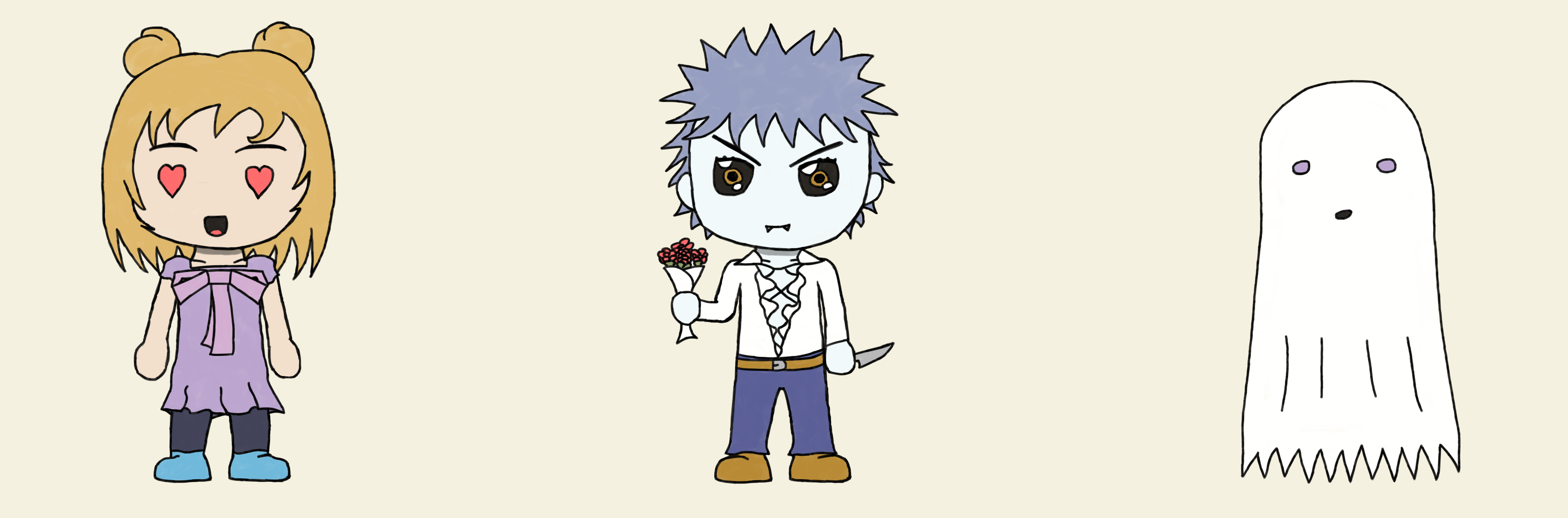
Well, there are more VNs with a Vampire, but there are more hits with Ghosts!
Closing words
Since you've reached these closing words, then I'd like to sincerely thank you for taking your time to read my blog post. It means a lot!
I would like to thank Arimia, who read early drafts of this post. My discussions with her were really helpful when choosing which direction to take this analysis. If you want an expert on VN marketing, then she's the one you should turn to! Check out her blog, which has lots of useful articles on marketing VNs on both Itch and Steam.
The two best things you can do to support me are to share this post with others and to subscribe to my mailing list, just below. Subscribing is the clearest way to tell me that you like this kind of content. And of course, you get emailed when I publish new blog posts, so you don't accidentally miss anything that might interest you.